
According to the National Institute on Alcohol Abuse and Alcoholism (NIAAA), recovery is a process that involves remission from AUD and quitting heavy drinking for good. Cognitive-behavioral therapy (CBT) is particularly effective for PAWS, helping reframe negative thought patterns and build coping strategies. Mindfulness practices, such as meditation or yoga, can ground individuals during emotional surges. Discover how many people with alcohol use disorder in the United States receive treatment across age groups and demographics.
What are the complications of delirium tremens?
Diversify your network by including professionals like therapists, counselors, or recovery coaches who can provide specialized guidance. For instance, cognitive-behavioral therapy (CBT) has been shown to be highly effective in addressing underlying issues that contribute to addiction. Pairing professional support with personal connections creates a well-rounded system that addresses both emotional and psychological needs. Think of it as a team effort, where each member plays a unique role in your recovery journey. Post-acute withdrawal symptoms (PAWS) can linger for months after alcohol cessation, manifesting as mood swings, fatigue, insomnia, and cognitive fog. Unlike acute withdrawal, PAWS is subtler but equally disruptive, often derailing recovery if unaddressed.
- Talk to your healthcare provider about naloxone, a medicine that is available to patients for the emergency treatment of an opioid overdose.
- Family history, mental health conditions and many other factors can play a role.
- The process of withdrawal from alcohol can be challenging, but it is definitely possible to get through safely.
- If your pattern of drinking results in repeated significant distress and problems functioning in your daily life, you likely have alcohol use disorder.
- This network acts as a safety net, providing emotional encouragement, practical assistance, and accountability during a vulnerable time.
Residential Drug Rehab Centers in Georgia
Instead, PAWS involves more subtle emotional and psychological symptoms that can come and go over several months. By the end of the first week, many of the acute physical symptoms have resolved. You’ll likely start feeling more stable https://kasagaleri.sabanciuniv.edu/en/sober-living/alcohol-and-weight-loss-does-alcohol-cause-weight-3/ physically, though you may still experience fatigue, mood swings, or difficulty concentrating. These lingering effects are normal as your body continues adjusting. It typically affects people who have been drinking heavily for weeks, months, or years. Benzodiazepinesare often the first treatment doctors suggest for alcohol withdrawal.
How Long Does Alcohol Detox Really Take? A Clear Timeline & What to Expect

Previous withdrawal episodes can make subsequent withdrawals more severe. This phenomenon, called “kindling,” means that if you’ve gone through withdrawal before, especially multiple times, your next withdrawal episode may be more difficult. This is another reason why seeking treatment and staying in recovery is so important. What makes PAWS challenging is that these symptoms don’t follow a straight line of improvement. You might feel better for several days, then have a rough patch where symptoms return. The overall trend is toward improvement, even if there are setbacks along the way.
Please note, this is only a quote of benefits and/or authorization. We cannot guarantee payment or verification eligibility as conveyed by your health insurance provider will be accurate and complete. Payment of benefits are subject to all terms, conditions, limitations, and exclusions of the member’s contract at time of service. Sometimes, seizures and heart issues develop that call for immediate medical support.
Tips for success in alcohol recovery
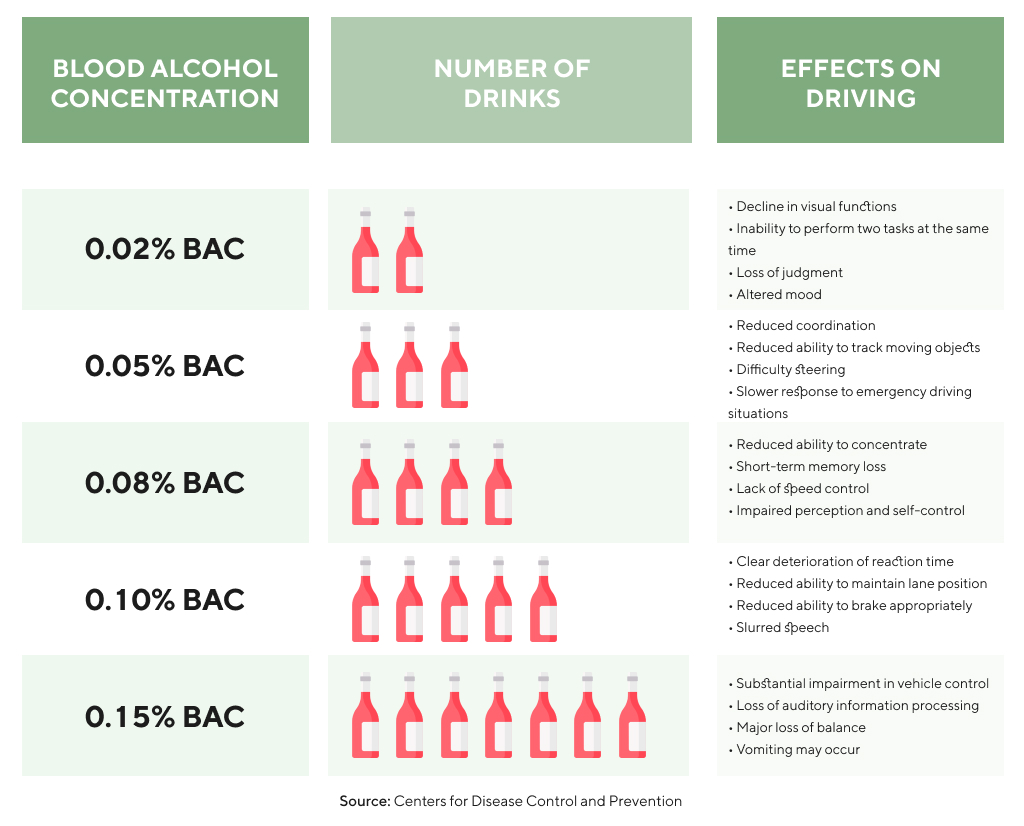
Alcohol stays in your systemfor varying amounts of time based on your body weight, metabolism and how many drinks you’ve had. Once you stop drinking, you can expect to experience certain symptoms, especially if you are a chronic drinker. People who drink a significant amount or drink on a regular basis can develop a chemical dependence on the substance.
Progression to delirium tremens may follow seizures in some cases. This severe form of alcohol withdrawal involves dangerous changes in heart rate and blood pressure, severe confusion, and hallucinations. While it may not be something you perceptibly notice, one huge health benefit from stopping alcohol will occur by your third week of not drinking. Using alcohol frequently or consistently increases your blood pressure, leading to an increased risk of heart disease and stroke. It is always best to have a professional assess alcohol withdrawal symptoms and put together an individualized treatment plan. Withdrawal treatment may include behavioral programs, support, and medication if necessary.
How long does alcohol detox last?

Realizing alcohol withdrawal you may have an issue is the first step toward getting better, so don’t hesitate to talk to a healthcare provider. They’ll recommend treatments and resources to help you recover from alcohol use disorder. In this disorder, people can’t stop drinking, even when drinking affects their health, puts their safety at risk and damages their personal relationships. Studies show most people can reduce how much they drink or stop drinking entirely.
Consistency is key—missing sessions can disrupt progress, especially in the early stages. If cost is a concern, many what is alcoholism therapists offer sliding scale fees or work with insurance providers. Online therapy platforms also provide accessible, affordable options, though they may lack the personal connection of in-person sessions. I didn’t think I’d make it through Day 2.Not because I didn’t want to—but because my body and mind were screaming in ways I didn’t know they could. If you’re looking up what alcohol withdrawal actually feels like, you’re probably scared.