
Treating alcoholic ketoacidosis begins with addressing the underlying causes and stabilizing the patient. The first step is immediate medical intervention to correct dehydration and restore electrolyte balance. Not every person who drinks will experience alcoholic ketoacidosis, and there are no exact figures on the condition’s prevalence. Still, individuals who drink heavily are at a greater risk of developing the condition. Alcoholic acidosis is a group of symptoms that occur due to alcohol abuse and typically present themselves after a binge-drinking episode. This condition is most commonly seen in those living with alcohol abuse disorder.
Seek Support
- Contact us to learn more about alcohol addiction treatment programs that can work well for your needs in recovery.
- Monitoring electrolyte levels and targeting the closure of the anion gap are essential components of AKA management.
- Sometimes, the perfect storm of factors triggers DKA — and they’re often outside of your control.
According to the World Health Organization, alcohol misuse contributes to more than 3 million deaths each year, making it a leading risk factor for global disease burden. Seeking professional help through counseling, support groups, or rehabilitation programs can aid individuals in overcoming alcohol dependence and reducing the risk of recurrent AKA. Common symptoms of alcoholic ketoacidosis include nausea, vomiting, abdominal pain, and dehydration. In severe cases, individuals may also experience confusion, rapid breathing, and a fruity odor on their breath. If left untreated, AKA can lead to severe complications such as respiratory failure, kidney failure, Sobriety and even death.
Risks, complications, and when to admit
Join our online diabetes treatment program and reverse Diabetes naturally through lifestyle changes such as a Personalized Diet plan, Exercise, Yoga, dieticians, and health coaches. Despite best efforts to manage diabetes at home, situations requiring emergency medical attention can arise. An emergency plan should include instructions on when and how to contact healthcare providers, the location of the nearest emergency room, and a list of medications and medical conditions. This plan ensures that individuals and their families are prepared to act swiftly in critical situations, potentially saving lives. The use of dextrose-containing fluids results in a faster resolution of metabolic acidosis compared to using saline alone. Because patients with long-term alcohol use are often severely malnourished, thiamine (Vitamin B1) must be administered concurrently with or immediately before the dextrose solution.

Potassium, phosphate, and magnesium levels should be monitored and repleted as necessary. Thiamine supplementation is often included in the treatment regimen to prevent Wernicke encephalopathy, a potentially serious complication. Additionally, antiemetics can be administered to control nausea and vomiting, which are common symptoms of AKA.
Diabetes-Related Ketoacidosis (DKA)
Close monitoring of electrolytes is required, as malnutrition and fluid losses cause significant depletion of potassium, phosphate, and magnesium. Diabetic ketoacidosis is diagnosed with a patient history, physical examination, and blood tests. Medical professionals at recovery facilities and hospitals can help people with the symptoms of alcohol withdrawal. Regular physical activity is another key component of a healthy lifestyle that can help prevent AKA. Engaging in moderate-intensity exercise for at least 150 minutes per week has been shown to have numerous health benefits, including reducing the risk of metabolic disorders and improving overall well-being.
How Can Alcoholic Ketoacidosis Be Prevented?

The National Institute of Health (NIH) recommends incorporating a combination of aerobic, strength training, and flexibility exercises into a weekly routine. Consider your body as a precision-crafted engine; excessive drinking and abrupt alterations can severely disrupt its balance, potentially causing critical health issues such as Alcoholic Ketoacidosis. If you get mild symptoms, contact your healthcare professional right away.
Planning for Long-Term Recovery
AKA often occurs in people with a history of binge drinking, chronic alcohol use, or malnutrition. It is more likely https://properparket.nl/eminem-s-sobriety-17-years-his-addiction-story/ to develop during alcohol withdrawal or after episodes of excessive vomiting. Alcoholic ketoacidosis is a type of metabolic acidosis, a condition where the body produces excessive acids called ketones. These ketones build up in the bloodstream when the body starts using fat for energy instead of glucose. Understanding the signs and symptoms of AKA is essential because it requires immediate medical attention. If left untreated, it can lead to severe complications, including organ damage.
Unlock exclusive content and resources. Sign up for our newsletter today!
- These findings reflect the body’s desperate attempt to compensate for energy deficits in the face of chronic alcohol consumption and malnutrition.
- Sudden death due to alcoholic ketoacidosis is common among those who binge drink on an empty stomach or lose nutrients through vomiting.
- The resulting increase in insulin and suppression of the counter-regulatory hormone glucagon signals the body to stop breaking down fat for energy.
- The alcoholic ketoacidosis smell is like acetone or nail polish remover, noticeable when someone exhales ketone molecules.
- Key Takeaways Virtue Recovery Las Vegas provides comprehensive, holistic addiction…
This is a place where people can come and learn about Type 1 and the challenges we face. A place to rant, show emotion, and ask insulin questions or pump questions. Additionally, if you are going to comment on posts please give it your all, don’t leave out info or be short with anyone that could be misinterpreted. Surveys will be deleted unless they are paid or get prior approval and most inquires regarding surveys go ignored in our inbox.
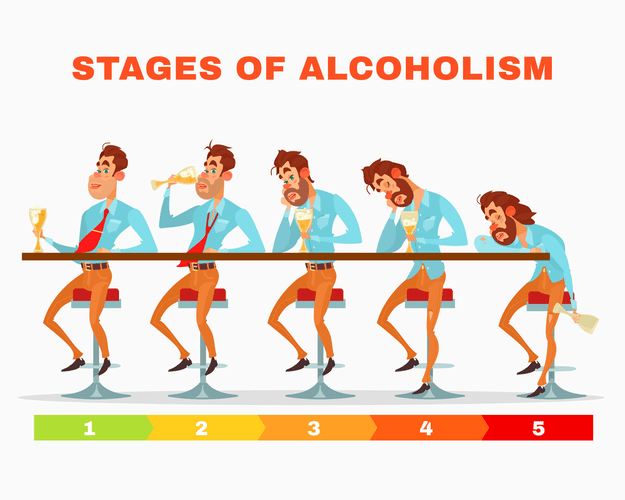
Alcoholic ketoacidosis vs. Diabetic ketoacidosis vs. Starvation ketosis
Alcoholic ketoacidosis alcoholic ketoacidosis is a serious condition that can have severe consequences if not managed properly. It is important to understand the causes of alcoholic ketoacidosis in order to prevent and treat this condition effectively. This pain is often described as a dull ache in the upper abdomen and can be accompanied by a feeling of fullness or bloating. The pain may also be accompanied by tenderness to the touch, particularly in the area of the liver. One of the most dangerous complications of alcohol withdrawal, alcoholic ketoacidosis can be lethal. A healthcare professional who sees you for possible diabetic ketoacidosis needs answers to the following questions as fast as possible.
The pain may worsen with movement or deep breathing, making it difficult to find relief without addressing the underlying metabolic disturbance. Over-the-counter pain relievers are not recommended, as they can further stress the liver and stomach. By incorporating these strategies into daily life, individuals with diabetes can significantly reduce their risk of developing DKA.